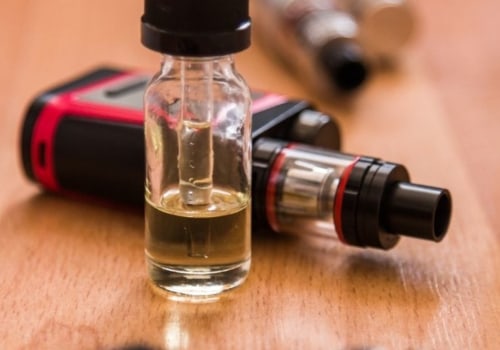
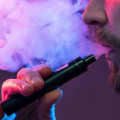
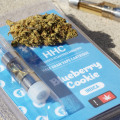
Determining whether vape juice contains THC can be surprisingly difficult, especially because many products look identical on the surface and may come in similar bottles, flavors, or packaging. For teens and adults alike, it’s important to understand that there’s no reliable way to identify THC in vape liquid just by sight, smell, or taste. THC-containing liquids can be thick or thin, light or dark, flavored or unflavored, and often mimic the appearance of nicotine or zero-nicotine vape juices. Some unregulated products may have labels that misrepresent their ingredients, while others may not be labeled at all. Because of this, one of the biggest risks associated with vaping—especially when products come from informal sources—is that someone may inhale substances they didn’t intend to use. Even a bottle that looks “normal” can contain additives or cannabinoids that aren’t obvious until someone experiences the effects, which can be unpredictable, especially for younger users.
Why Visual Clues and Online Claims Aren’t Reliable
Although some people try to guess a vape liquid’s contents based on color, thickness, or bubble movement, these guesses are not dependable. Many nicotine vape juices use vegetable glycerin and propylene glycol, which create different consistencies. THC oils can also vary widely depending on how they were processed, diluted, or flavored. Some online claims suggest that THC liquids are always thicker or darker, but this is simply not accurate. Manufacturers can add thinning agents, flavorings, or artificial colors that change how the liquid looks. That’s why relying on appearance or unverified online advice can lead to misunderstandings or unsafe assumptions. If someone is concerned about what’s in a vape product—especially if it came from an unfamiliar source—the safest choice is not to use it at all. The uncertainty around unregulated vape products has been linked to serious lung injuries in the past, which is another reason clear verification is so important.
Testing, Regulation, and the Limits of Home Identification
Legally produced THC vape products in regulated states typically come with lab testing information on the packaging, showing cannabinoid content and safety checks. However, this does not apply to homemade, counterfeit, or illegally sold products, which often circulate without any safety standards. There is no safe or accurate “home test” that can be done without proper equipment, and using improvised methods found online can be dangerous or misleading. Only certified laboratory testing can truly confirm whether a product contains THC and at what concentration. Because teenagers may encounter misinformation or pressure from peers, it’s important to understand these limits and avoid experimentation. If someone has a safety concern—whether for themselves or a friend—talking with a trusted adult, school nurse, or healthcare professional can help them navigate the situation responsibly. In educational settings, professionals may also provide resources where people can learn more about substance safety without encouraging use.
Why Safety and Transparency Matter
The biggest takeaway is that uncertainty itself is a major warning sign. Vape products that are mislabeled, shared between friends, or purchased informally carry risks far beyond THC content. Contaminants, unexpected additives, or high THC concentrations can cause strong reactions, anxiety, dizziness, or other health effects—especially in younger people whose bodies and brains are still developing. Instead of trying to identify THC through guesswork, the safest and healthiest option is to avoid questionable vape products completely. Having open conversations with trusted adults about concerns or questions can help protect well-being and ensure access to accurate, supportive information.